

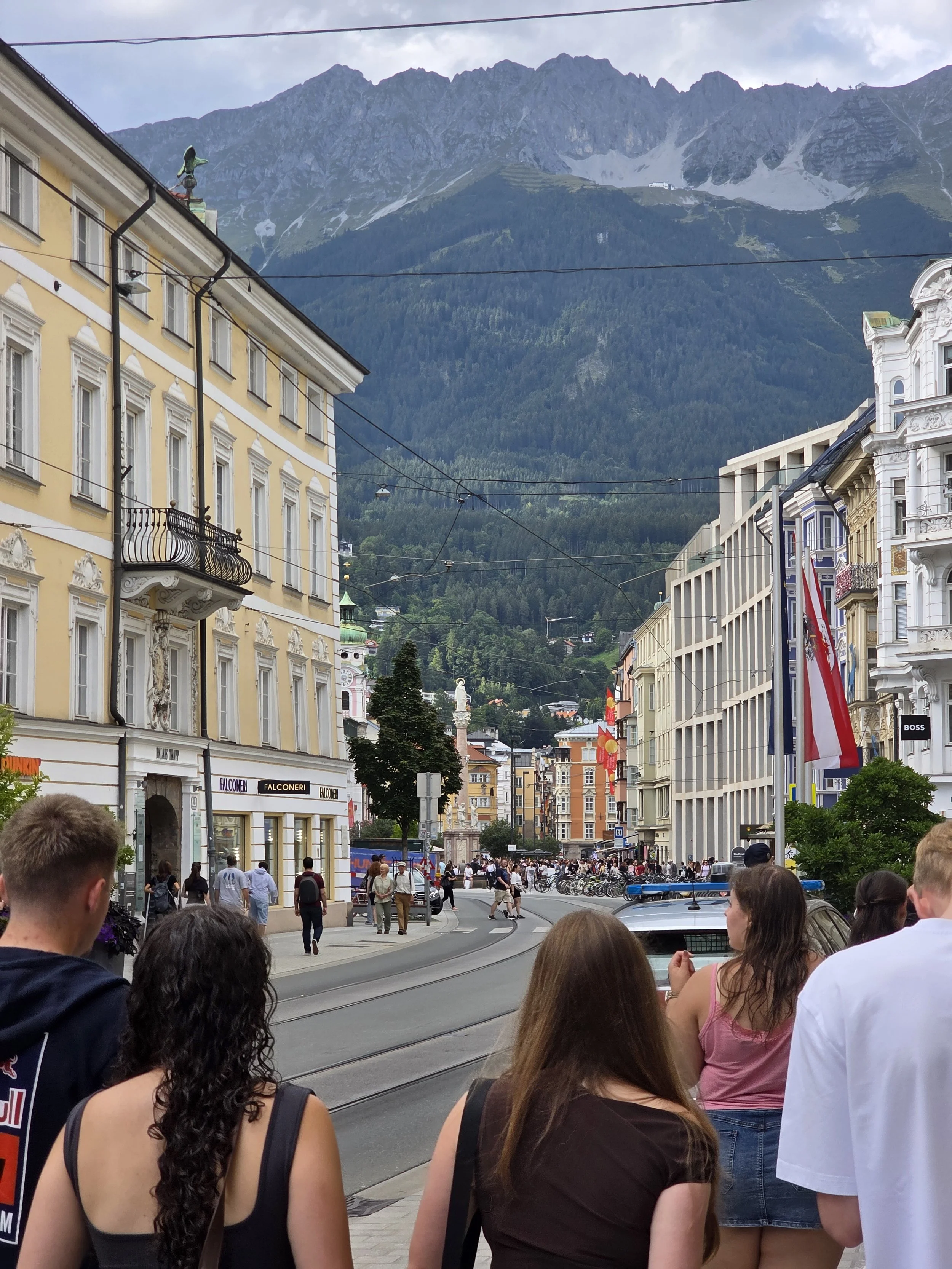
Innsbruck, Tyrol
Innsbruck, Tyrol, is a city nestled in an Alpine valley along the Inn River. The river is a significant part of the city’s history, which is named after Inn’s Bridge because of its strategic, transition point of the Inn River, allowing those traveling through the Alps to cross over the river’s path. Innsbruck is a beautiful, colorful city with tall mountains as a 360-degree backdrop. The city is recognized for its mountaineering culture and skiing practices, as well as the home of two Zaha Hadid projects.
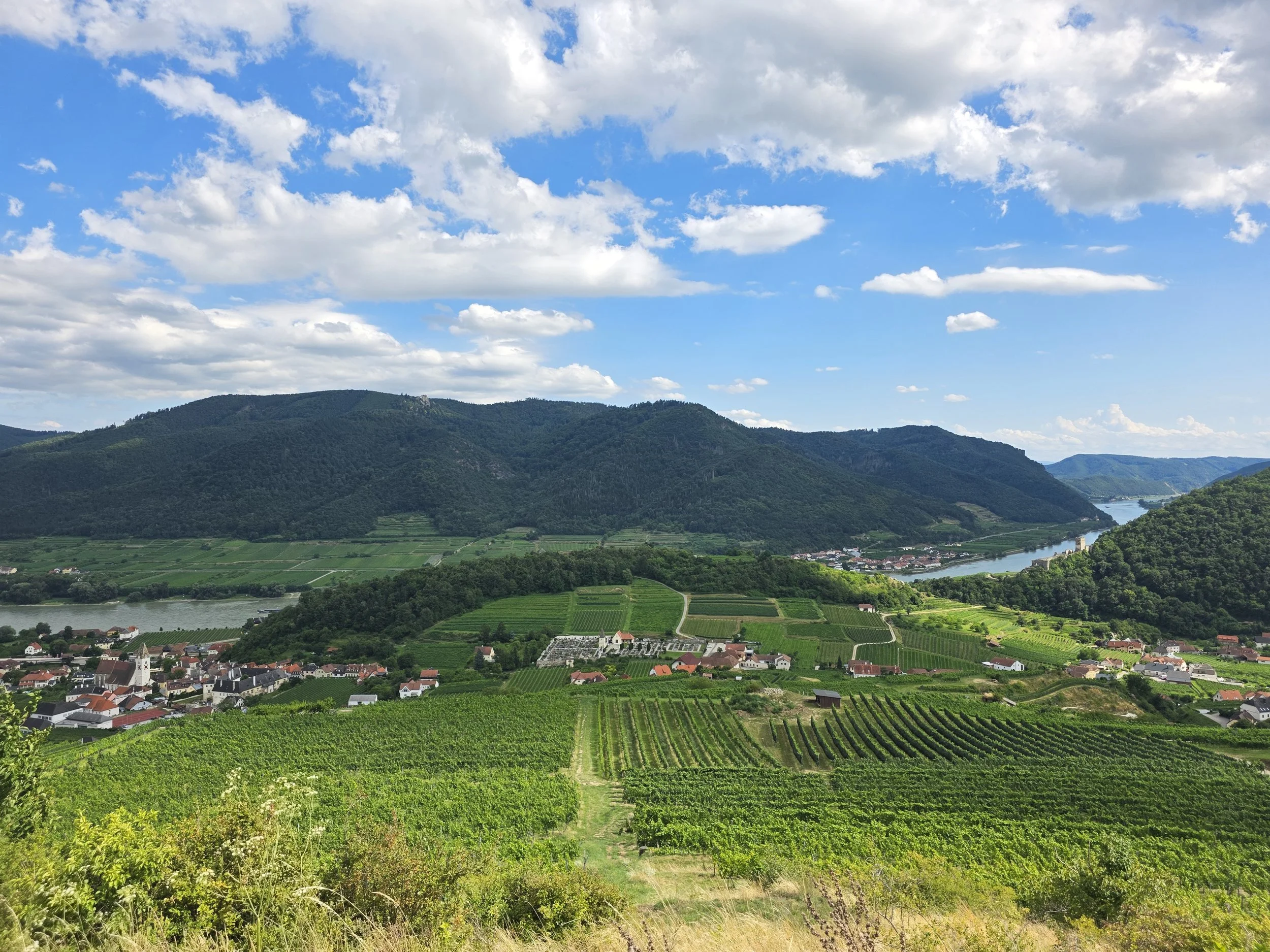
Wachau Valley, Lower Austria
The Wachau Valley is a UNESCO World Heritage site that is about 22 miles long, stretching along the Danube River between Melk and Krems in Lower Austria. They valley is a cultural landscape recognized for its harmonious relationship between nature and settlements, specifically its wine terraces and historic towns. Its microclimate makes it perfect for growing wine grapes and apricots.
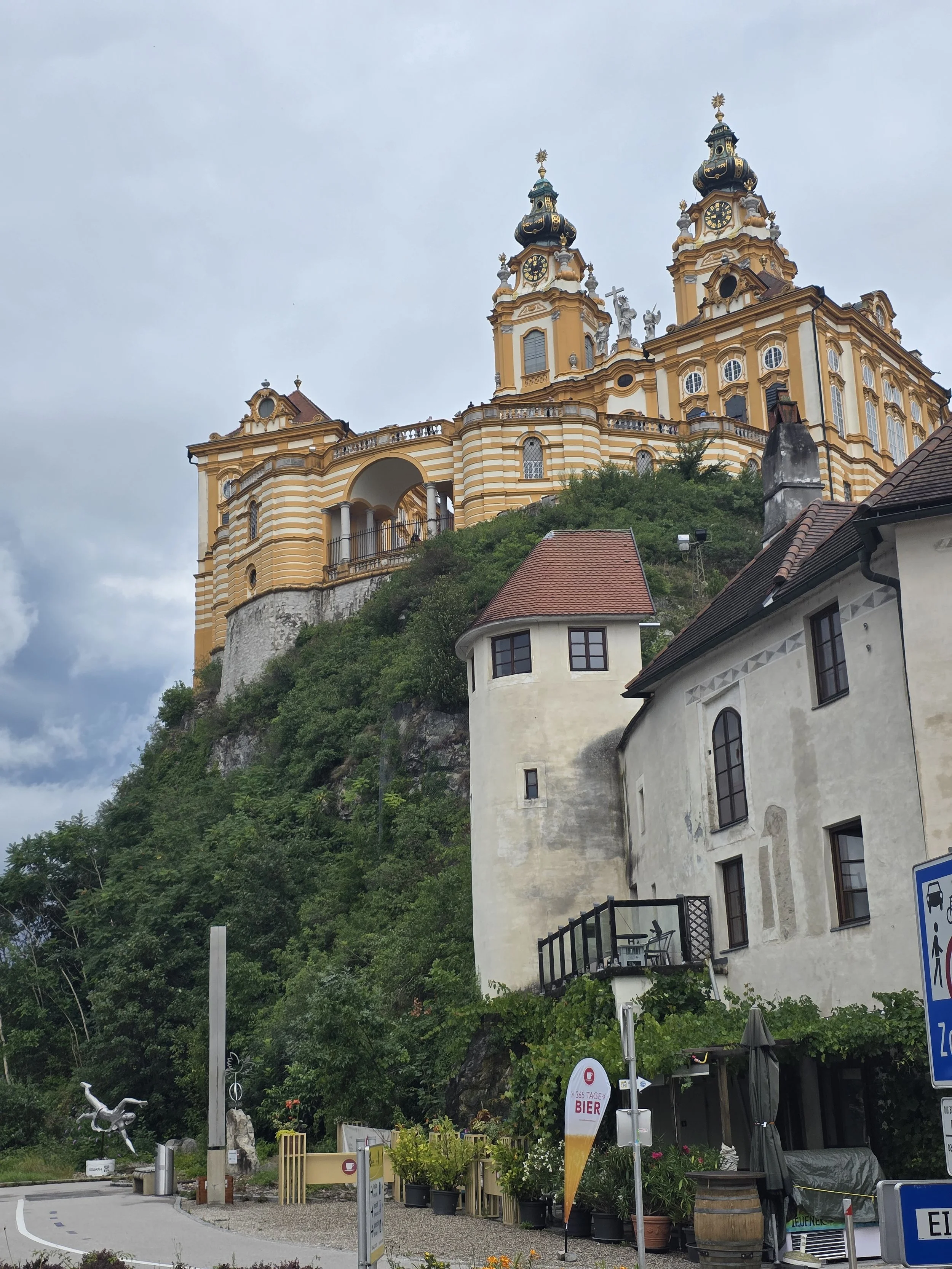
Melk Abbey, Wachau Valley
Melk Abbey is a culturally rich Austrian landmark on top of a cliff overlooking the Danube River. The history of the Abbey dates back to before the Habsburg Monarchy and served as a local castle for the royal family before they relocated to Vienna. Since then, the Abbey converted into a monastery for monks and was transformed into a place for worship and education, which is still very much active today. In 1836, the monastery went under major renovation and developed baroque architectural languages which now believed to be an exemplary masterpiece of Baroque architecture in Europe.

Belvedere Palace, Vienna
Built in the early 18th century as a Baroque-style summer residence for Prince Eugene of Savoy during the Habsburg monarchy. After Prince Eugene of Savoy’s passing, the residence was purchased to serve as the Imperial Picture Gallery and became one of the first public museums in the world. It is still a art museum to this day and is a leading tourist attraction in the historic city of Vienna, Austria.